
Regulators and auditors don’t just want to know that your systems are secure; they want proof that your export-controlled data is protected wherever it goes and want to see audit logs of whoever has interacted with it.
That’s why security at the system, application, or network level alone isn’t enough. Without file-level protection, there’s a real risk that sensitive data slips through the gaps, especially in hybrid cloud setups, remote work environments, and projects involving external partners.
We’ll break down exactly why file-level protection is now essential for ITAR compliance and how security and IT leaders can build it into their workflow without slowing things down.
🛡️ Keep Your Data in the Right Hands!
See how Theodosiana applies per-file-level controls purpose-built for ITAR environments.
What Is File-Level Protection in the Context of ITAR?
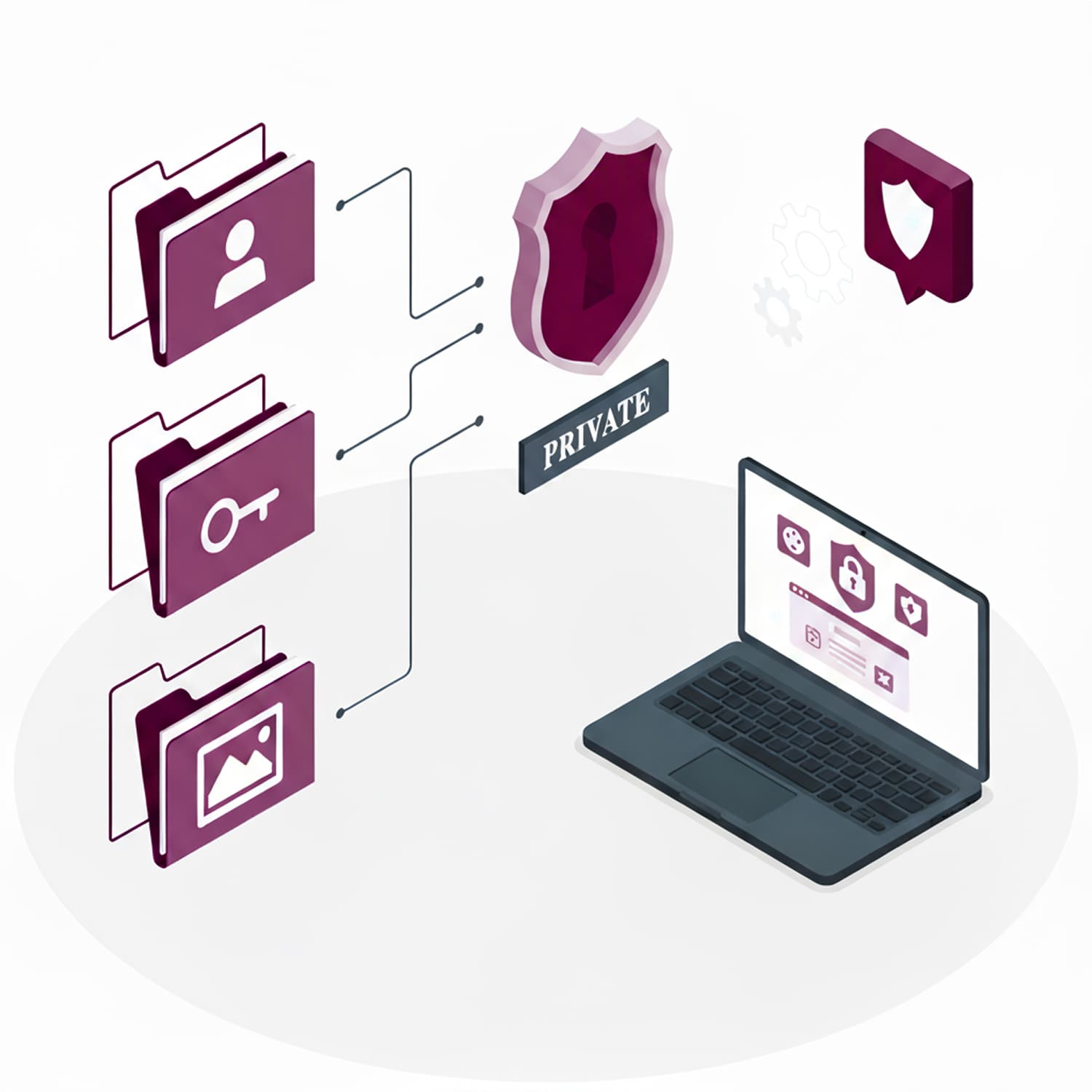
File-level protection means enforcing security policies directly on the file containing export-controlled data, rather than relying solely on system-level controls.
This includes:
- Encryption that travels with the file wherever it is shared, moved, or stored.
- Access controls that are applied at the file level, not just the folder or application level.
- Persistent audit logs showing who opened, modified, or shared the file.
Creating zero-trust controls around each sensitive asset is the goal, rather than assuming it’s always inside a trusted environment (that's not an assumption that should ever be made).
Why Is System-Level Security No Longer Enough?
Relying only on perimeter defenses or user permissions can create gaps:
- Files can be accidentally or intentionally moved outside controlled systems.
- Employees or third parties may have legitimate system access but interact with files in ways that violate ITAR rules.
- Cloud storage, collaboration tools, and remote work make traditional perimeters harder to define.
File-level protection ensures that, even if a file is copied to a USB, emailed, added to Microsoft 365 or Google Drive, or uploaded somewhere it shouldn’t be, the security policies remain attached and active.
What Does ITAR Expect Around File-Level Controls?
While ITAR doesn’t prescribe specific technologies, regulators and auditors expect:
- Controlled access: Only authorized users can open or edit export-controlled files.
- Usage monitoring: You can produce logs showing file access, modification, or sharing events.
- Data residency assurance: Files don’t leave approved environments or regions without protection measures in place.
These expectations go beyond broad system settings. You need to demonstrate file-level enforcement mechanisms as part of your compliance posture.
How Can Security Teams Implement File-Level Protection Effectively?
Here’s a breakdown of a practical approach:
- Identify Export-Controlled Files
Map where ITAR-covered data exists in your environment, both structured and unstructured. - Apply Persistent Encryption and DRM
Use solutions that attach encryption that is compliant with the State Department's 120.51 Encryption Carve-Out rule, rights management, and access controls directly to each file. - Monitor and Audit
Set up monitoring that captures file access, movement, and modification events, with clear reporting. - Automate Where Possible
Manual tagging and control applications won’t scale. Look for platforms that can automate file-level protection based on data classification or policies.
What Makes Theodosiana Different for ITAR Compliance?
Theodosiana focuses on offering:
- Per-file-level encryption and dynamic access controls that stay with the data, even outside of primary systems.
- Real-time audit trails showing file interactions.
- Automation that classifies and protects files without relying on user action.
Instead of bolting on generic DLP tools, Theodosiana provides per-file-centric controls built around compliance frameworks, such as ITAR’s unique compliance pressures.
🛡️ Make ITAR File Protection Work for You!
See how Theodosiana helps IT teams enforce per-file-level controls, without slowing down workflows.
FAQs: File‑Level Protection and ITAR Compliance
How does file‑level protection help with export and access control requirements under ITAR?
ITAR mandates strict controls on who can access controlled technical data, where it can be moved, and how it is handled. File‑level protection ensures that access decisions are enforced each time a file is used, and that export or sharing beyond authorized boundaries cannot occur without violating policy. This directly supports ITAR access control and data sovereignty requirements.
Why isn’t encryption at-rest and in-transit enough for ITAR?
ITAR requires that controlled data is not accessible to unauthorized parties. Encryption at-rest and in-transit protects data while it’s stored or being transferred, but it doesn’t prevent legitimate credentials or platform administrators from decrypting files. File‑level protection ensures that the data itself remains encrypted and controlled independently of where it resides.
How do assessors evaluate file‑level protection for ITAR compliance?
Assessors look for evidence that sensitive data remains protected at all times, including during access or when systems are compromised. This means demonstrating encryption that cannot be bypassed by privileged accounts, detailed access logs, audit trails, and mechanisms that enforce access controls directly on the file, not just on the platform.
Is file‑level protection only for ITAR, or does it help with other compliance frameworks too?
While this article focuses on ITAR, file‑level protection also supports compliance with frameworks like CMMC, EAR, GDPR, HIPAA, and others that require stringent data access controls, encryption, and auditability. It strengthens overall data governance and audit readiness across multiple regulatory regimes.